Emergency Medical Responder (EMR)

Hero Image

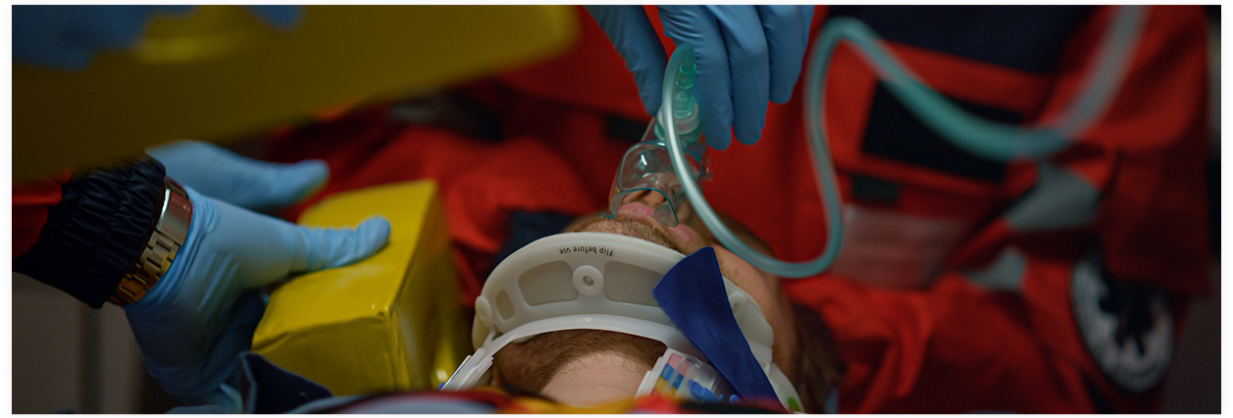
Emergency medical responders (EMR) provide fundamental out-of-hospital care working with other healthcare providers in a wide variety of settings. When working on ambulances they can assess, stabilize and transport patients to hospital. Each will be partnered with a paramedic to expand the number of teams available to respond to an emergency call. They may also work in teams of two to transfer low-risk patients who have been assessed and do not require medical care during transport, or in emergency department offload areas, freeing up paramedics to focus on and respond to emergency calls faster.

On the job, EMRs will:

  • lift, move and secure patients safely
  • administer some symptom-relief medication
  • provide oxygen
  • conduct a basic patient assessment
  • take vital signs
  • perform CPR
  • address life-threatening bleeding

To increase the number of paramedics working in Nova Scotia, a bridging program is being developed for emergency medical responders who want to become paramedics.

On This Page

Step 1
Complete high school

You must have a high school diploma or GED, and be physically and mentally able to perform all required duties of the EMR job.

Step 2
Complete Emergency Medical Responder program

The Medavie HealthEd Emergency Medical Responder (EMR) program is 12 weeks long and includes 9 weeks of classroom/simulation education, as well as 3 weeks of practical patient experience.

Step 3
Obtain your license to practice

Emergency medical responders are licensed and regulated by the Nova Scotia Regulator of Paramedicine (NSRoP) and must pass a national exam administered by the Canadian Organization of Paramedic Regulators.